As an agent, understanding different cultural celebrations helps you connect with families and show sensitivity during planning conversations. Two holidays often linked to honoring the deceased—Halloween and Día de los Muertos—are celebrated very differently and carry unique meanings. By increasing your cultural awareness in funeral planning, you can approach families with respect and insight.
Halloween: Fun and Festivity
Halloween is widely celebrated in the U.S. as a lighthearted, costume-filled holiday. While it touches on themes of spirits and the afterlife, it’s mostly about fun, candy, and community activities. Unlike memorial traditions, Halloween focuses on enjoyment rather than remembering loved ones who have passed.
Día de los Muertos: Honoring Loved Ones
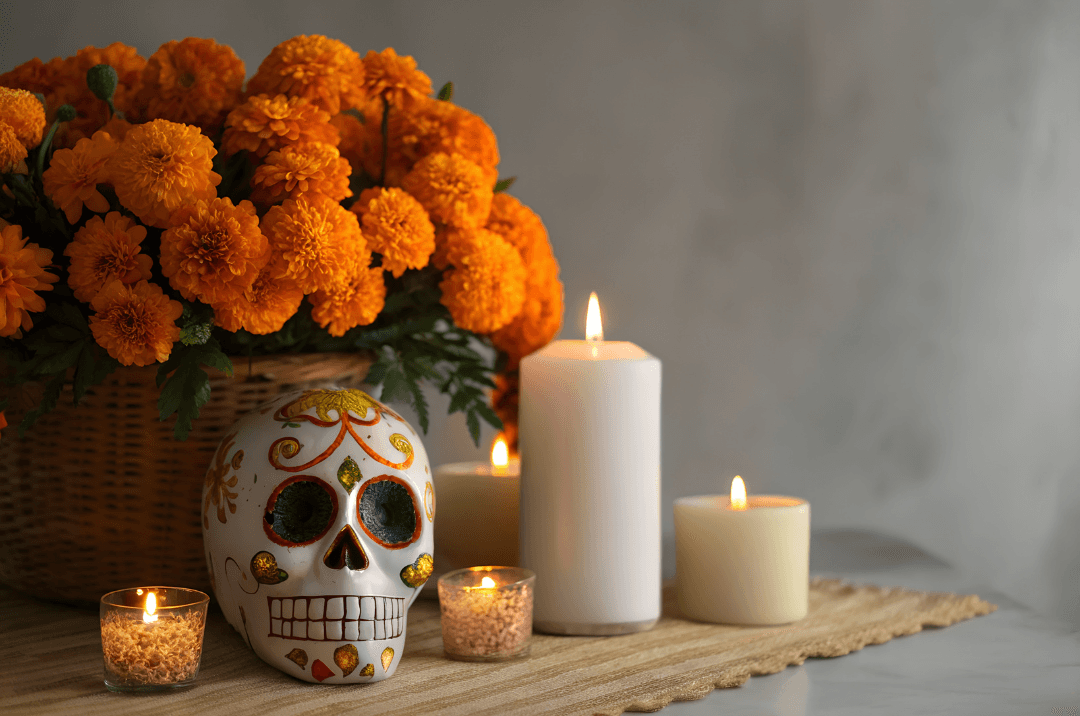
Día de los Muertos, celebrated in Mexico and by families worldwide, is deeply rooted in remembering and honoring deceased loved ones. Families create altars, offer favorite foods, and celebrate memories with music and storytelling. This meaningful, reflective tradition focuses on connection rather than fright or play.
Why Cultural Awareness Matters for Agents
Understanding these cultural differences demonstrates respect for family traditions. Whether discussing memorial options, final expenses, or planning services, recognizing these practices helps you communicate with empathy and relevance.
Cultural awareness in funeral planning is essential. Recognizing the difference between celebrations like Halloween and Día de los Muertos allows you to connect with families, honor traditions, and provide sensitive, informed guidance.