There’s been a lot of buzz in recent years about green burials and their consideration for the environment. As hot-button issues like climate change and water filtration permeate the news, some are turning to funeral homes and asking, “What are you doing to help?”
First, what is the harm?
According to Funeral360.com, about 5.3 million gallons of embalming fluid is used each year in the U.S. – a fluid that is 5 percent to 35 percent formaldehyde and 9 percent to 56 percent ethanol. These chemicals are harmful to the soil, plant life, water, and humans that encounter them. You’ve probably heard that formaldehyde causes cancer when the exposure is at a high concentration or frequency. That’s one of the reasons why cemeteries have non-potable water: because the chemicals we are filling bodies with after death are not good for the our systems.
But isn’t embalming necessary?
Actually, what most people don’t realize is that embalming is not required by law. After a death, the funeral home you choose to work with will probably recommend embalming immediately. This is to prevent any disconcerting smells or decomposition of the body while the funeral and other services are being arranged. However, the law actually states that the body must be embalmed, cremated, refrigerated, or placed on dry ice 24 hours after death. There is no guideline for when the body must be buried or otherwise disposed of.
So why do we embalm in the first place?
The tradition of embalming a corpse finds its origins in the Civil War, when the bodies of soldiers were shipped home on trains for several weeks after death. The staggering number of cadavers that were being transported at this time also revolutionized how we bury the dead—creating wooden boxes for the bodies was convenient and comforting for many grieving mothers, so hiring someone else to prepare, transport, and bury your loved one became the norm.
What are the alternatives?
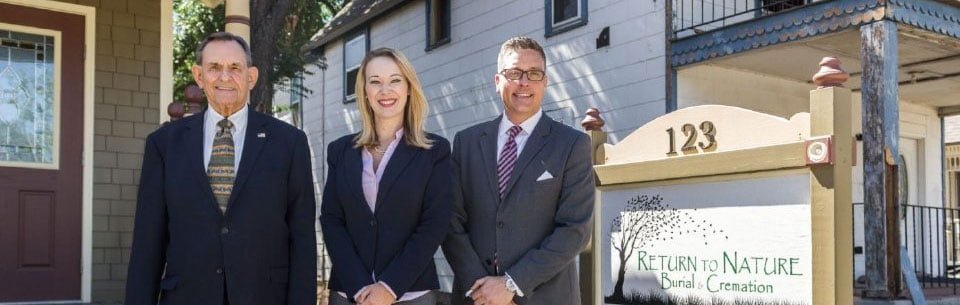
We’ve talked a lot about cremation in previous posts, but there are other methods of green burial that can be cost-efficient and environmentally conscious at the same time. This funeral home in Colorado exclusively plans green burial services that include cremation, embalming-free viewing and burial services, and biodegradable containers, as well. Funeral directors who work with natural burials can be found on this website, as well as at many local funeral homes in your area. You can research green burial coffins and containers on your own at a variety of websites like this one, which has informative details, pictures, and pricing.
People are asking more questions about our practices and traditions as a society that hasn’t paid enough attention to the needs of Mother Nature so far in our history. Bringing public awareness to some of the problems and solutions that we have control over is one of the first steps to bringing to pass real change. Take this research to heart as you pre-plan your own funeral services, and see what your funeral home can do for you as well as for our earth.
If you are interested in learnning more about preneed insurance, click the button below!